Alberta bill aims to clear further obstacles to citizen-driven referendum questions
Posted December 4, 2025 4:13 pm.
Last Updated December 4, 2025 8:14 pm.
The Alberta government is clearing more legal hurdles faced by citizens aiming to put referendum questions on a ballot, including the prospect of leaving Confederation.
If passed, a bill proposed Thursday would discontinue a court proceeding on a pro-separatist referendum question that is awaiting a judicial decision, among other changes.
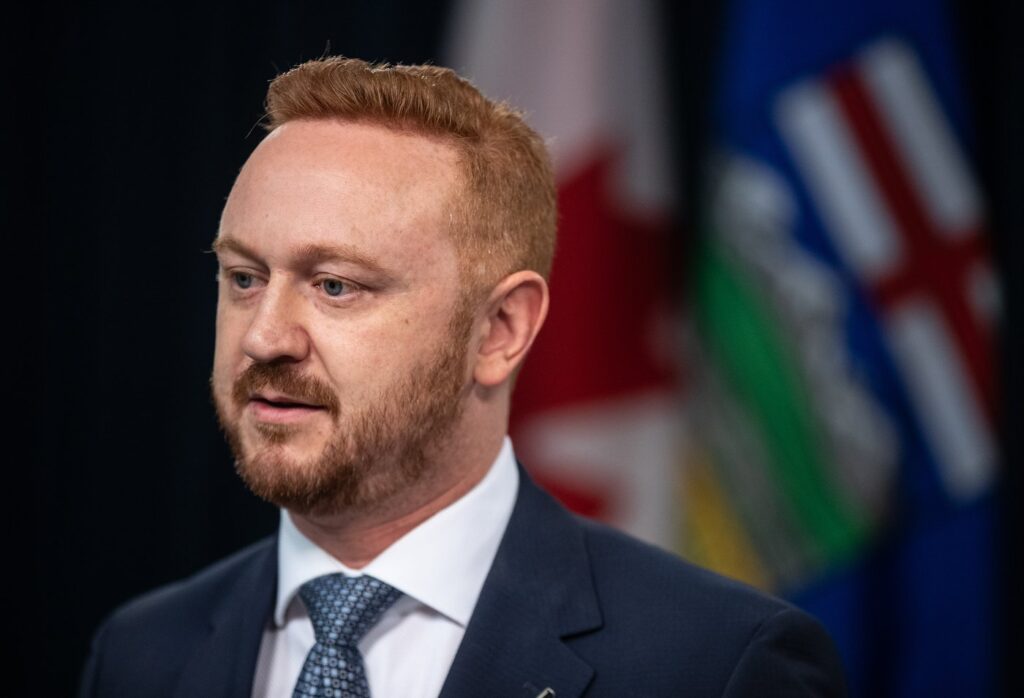
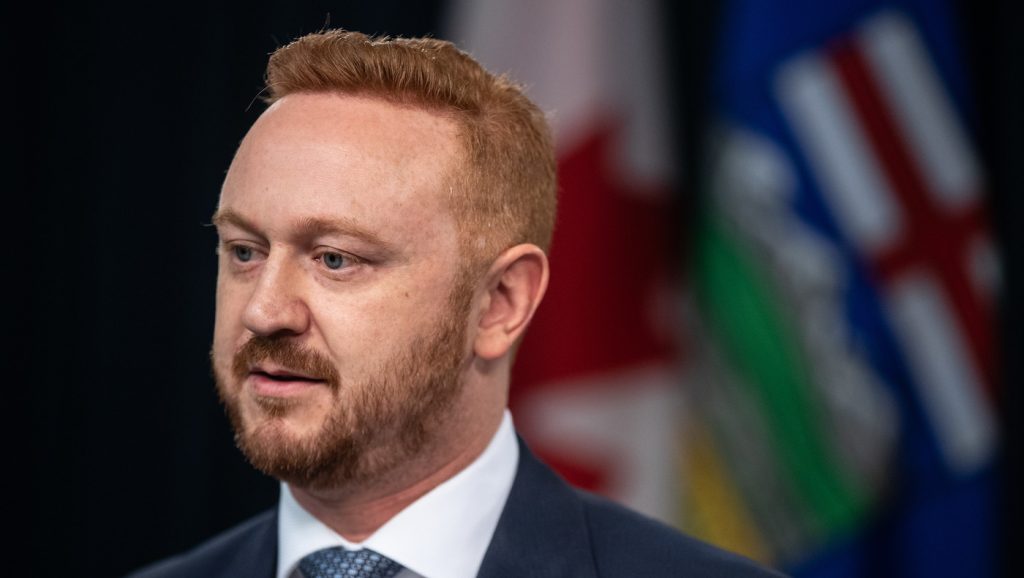
Justice Minister Mickey Amery says while the bill isn’t being put forward specifically because of that case, he says those behind the separation question would be permitted to reapply at no cost.
He says the legislation won’t affect a duelling petition certified earlier this week that seeks to make it official policy the province will not leave Canada.
Amery says he wants all Albertans to be able put any question to voters in the name of direct democracy, and to prevent one group from “piggybacking” on the referendum of another.
“If those seeking independence believe that they have the support for it, this is their chance to prove it,” he told reporters before introducing the bill.
It would move more authority and responsibility to Amery over what questions are put to voters from the chief electoral officer.
Amery said he doesn’t believe it should be the officer’s responsibility to decide what people can or cannot ask, or to refer referendum questions to the courts.
“Moving the power to the ministry — and the amendments that are related to that particular issue — will still allow a process to proceed while its constitutionality is being assessed by government,” he said.
Under the bill, Amery can still refer questions to the court for more clarification.
“(But) a process will not be held up by the courts if it is referred for a question on constitutionality,” he said.
The proposed changes come after Premier Danielle Smith’s United Conservative government, earlier this year, lowered the signature requirements for citizen initiated referendums while also increasing the length of time petitioners have to collect the necessary signatures to get a question on a ballot.
Competing petitions
A question, put forward earlier this year by the separatist group the Alberta Prosperity Project was proposed as: “Do you agree that the Province of Alberta shall become a sovereign country and cease to be a province in Canada?”
A competing petition is further along.
It was certified earlier this week, with Elections Alberta announcing that former deputy premier Thomas Lukaszuk’s proposal to declare that the province remain in Canada had gathered the required signatures.
The UCP could call a referendum on the question or, as Lukaszuk has said he would prefer, simply adopt the proposal as policy moving forward.
Amery said the new legislation has no impact on the future of Lukaszuk’s petition and that a committee of the legislature will now review it and recommend next steps.
The legislation would also make other wide-ranging electoral changes, including with rules aimed at preventing long ballot protests and restricting new political party names.
No Progressive Conservative revival?
That may throw cold water on the efforts of two former UCP members, along with the Alberta Party, to establish a new iteration of the Progressive Conservative Party by retroactively preventing such a name from being used.
The legislation lists “distinctive” words and phrases that new parties will be prohibited from using, including communist, conservative, democratic, green, independent, liberal, reform, republican and wildrose.
Amery said it’s being done to avoid confusing voters, and he alleged that some are purposely trying to deceive voters by using phrases like those listed.
RELATED: UCP files lawsuit against former caucus members and Alberta Party president
He argued it’s not a marked change from previous election law, but brings clarity so that a new party can’t seek to register names like the “New Liberals” or the “Greenest Party.”
“We want to make sure that the people who are voting are casting their ballots for not only the party that they believe in, but the political ideology that they believe in as well,” he said.
Peter Guthrie, one of the former UCP members looking to revive the Progressive Conservative brand, told reporters earlier this week the government seemed determined to do whatever it could to stop him.
“Except, of course, governing appropriately,” said Guthrie, who currently sits in the legislature as an Independent.
The bill would give Alberta’s justice minister immunity from sanctions from the Law Society of Alberta, which regulates lawyers, for any actions they perform “as part of their official duties.”
Government officials told reporters Thursday the legislation doesn’t define the minister’s “official duties.”
In an effort to prevent democratic protest initiatives like the “longest ballot,” the legislation proposes to make it more difficult for candidates to be nominated to run for provincial office.
That includes preventing electors from signing more than one nomination paper, and increasing the number of signatures required for a nomination to 100 from 25.
Amery said the government wants to prevent interfering in voting, and added administrative burdens.
“We are keeping space for people who are serious about being elected while deterring those who are not,” he said.