AI ‘slopaganda’ pushing Alberta separatism content: report
Posted April 22, 2026 11:38 am.
Last Updated April 22, 2026 5:06 pm.
Researchers call it “slopaganda,” an explosion of AI-generated disinformation, fuelling the discussion of Alberta separating to join the U.S.
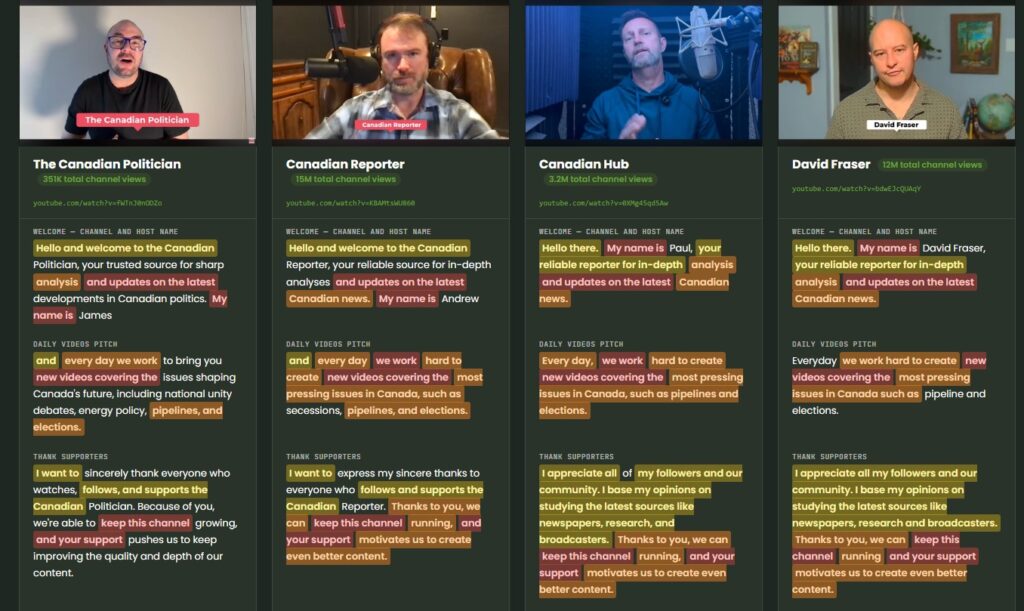
Around 20 accounts are attached and have been spreading this misinformation for over a year, accumulating 40 million views combined on YouTube.
The Media Ecosystem Observatory (MEO), a group collaboration between McGill and Toronto universities that studies media ecosystem health, found the channels were pushing Alberta separatist content. The MEO is the coordinating body of the Canadian Digital Media Research Network.
Chris Ross, a senior analyst and researcher in the incident response report titled “Slopaganda: The Inauthentic YouTube Network Selling Secession to Albertans,” says “lies” are a good way to describe the content.
“The videos we studied are highly coordinated, and they share content in a lot of different ways,” he said.
“They cite fake polls, they present political deals as done when we are nowhere near as close to them, even being healthily discussed in the public space before a referendum. So they’re just slop.”
He adds they weren’t able to collect data or information about the actors behind the accounts; however, the report calls on YouTube and other social media sites to reveal information on flagged accounts spreading false, AI-driven information.
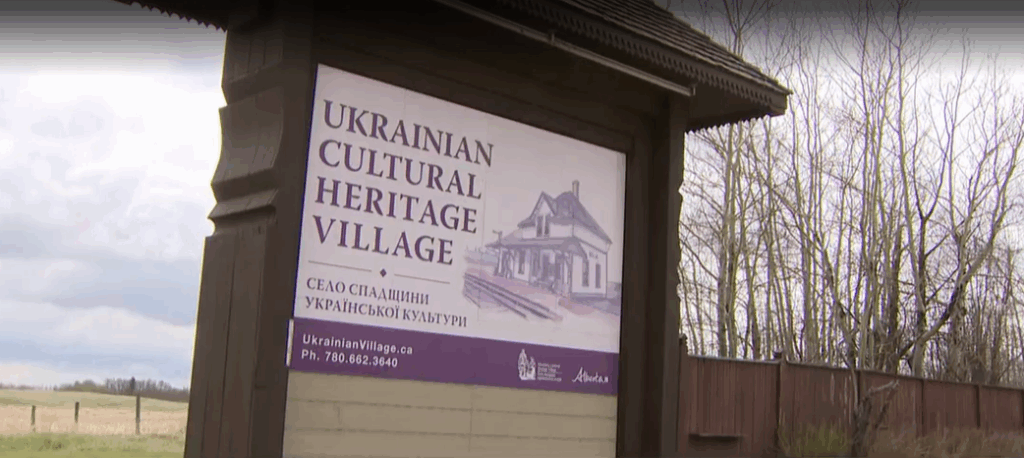
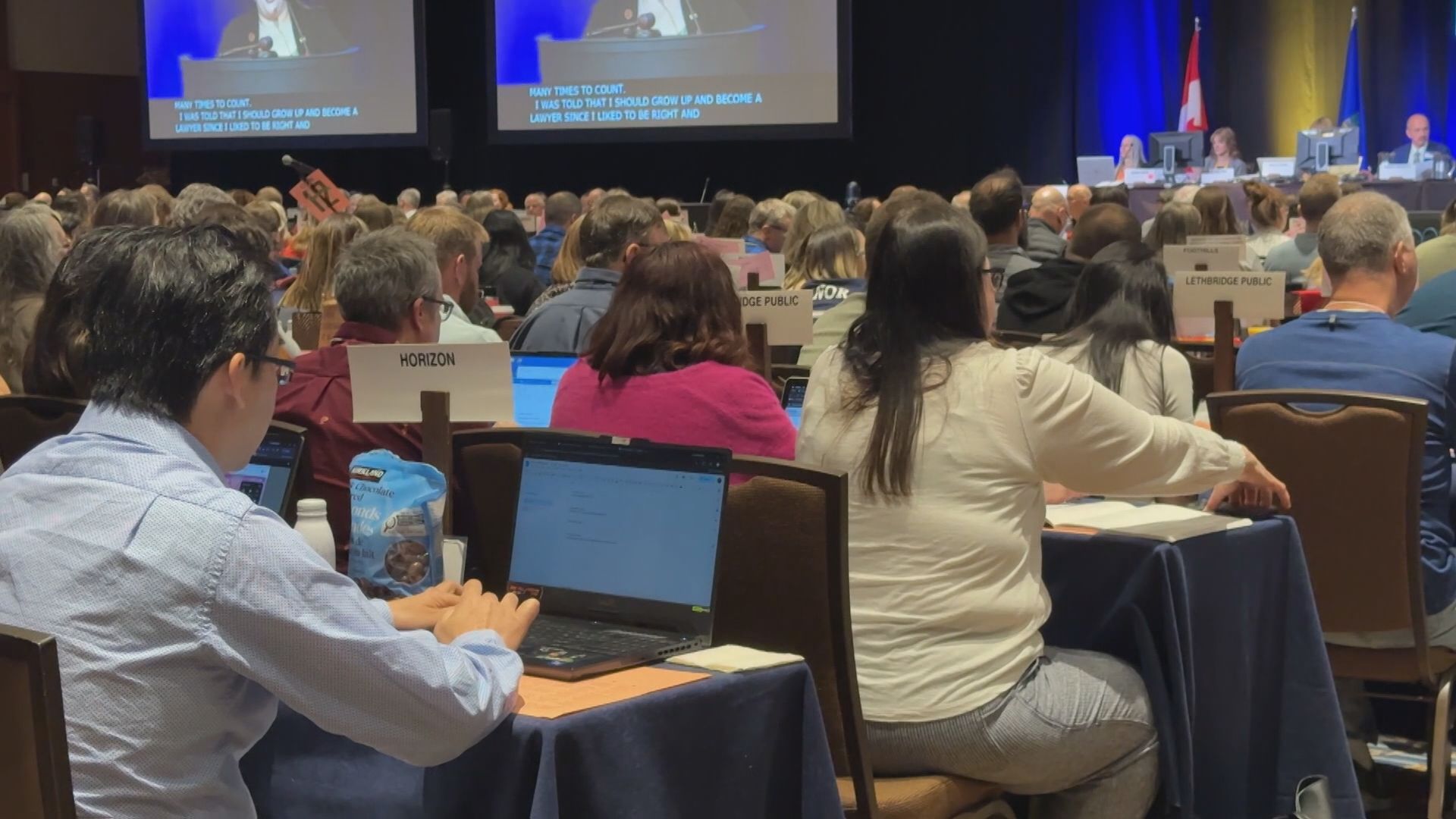
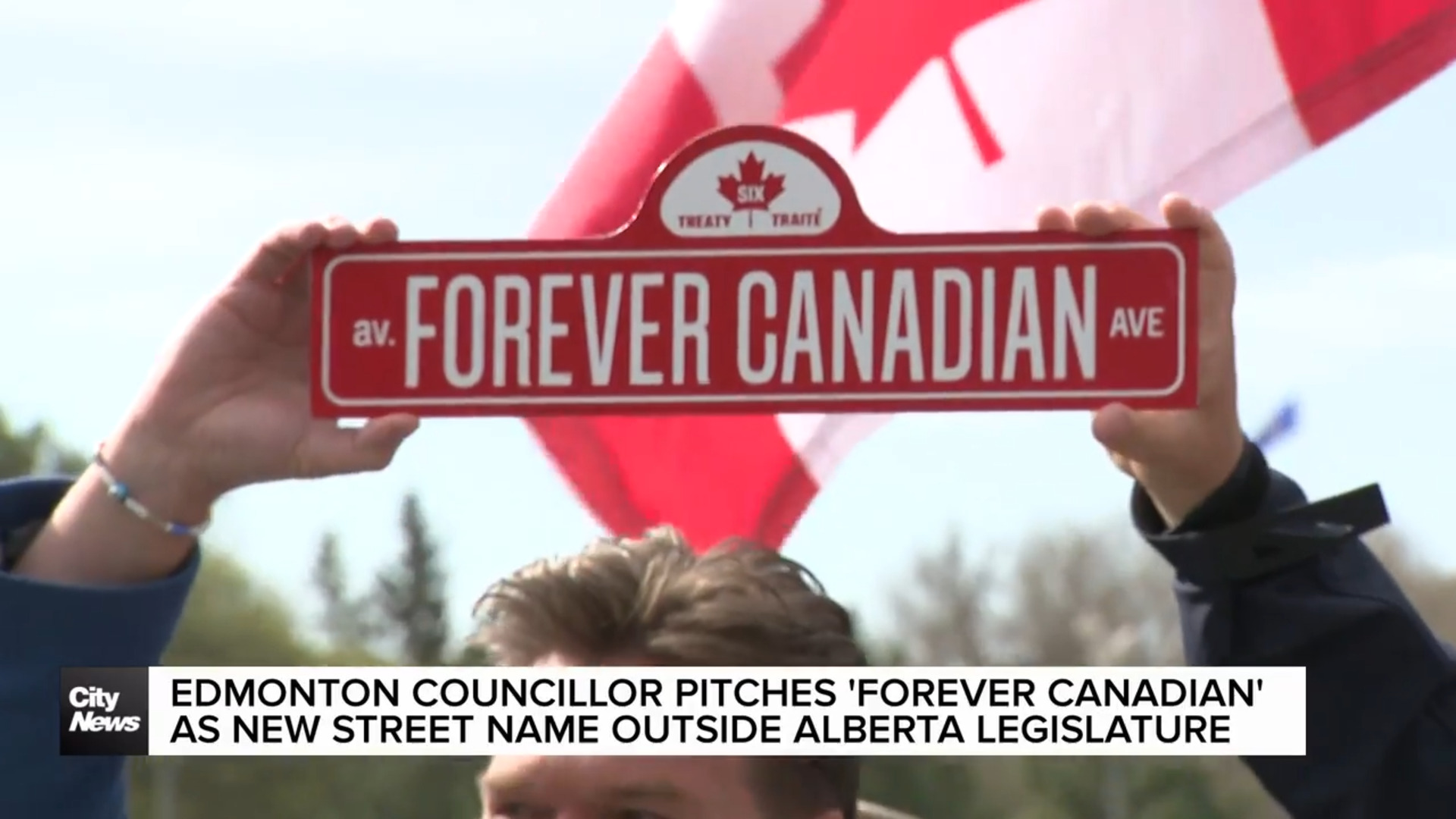
The videos often cut old news clips out of context, blurring out any signage, branding or contextual information and use parroted scripts generated through the use of AI.
The channels have generated about 40 million views in the past year, but have really ratcheted up in the past few months. Ross says the accounts do not appear to be related to actual Albertans and aren’t typical content of real Alberta separatists.
“There’s this pattern on YouTube of this sloppaganda network on tons of different political issues, and I think part of the reason is that it’s easy to make money and drive engagement on it.
“So that’s why it’s so important to get this information out there, because we want real Albertans talking about real Albertan issues. We don’t want people from outside Alberta exploiting it for money just to drive further division.”
A concern also shared by Alberta Premier, Danielle Smith in an unrelated press conference.
“We’re not going to allow for somebody to pretend to represent an elected official from any political party that is in a way that is inaccurate,” said the premier.
Ross says he hopes their research is a jumping-off point for the government and YouTube to take note.
“It’s a really interesting problem because there’s such a demand for this content … 40 million views on the videos we researched. But beyond that, there is so much AI slop out there. And there’s just content that uses AI that is genuinely interesting and I myself watch, but I think when it has this political angle, it deserves more scrutiny,” he said.
“It’s clear technology is moving fast, and I think companies just need to work really hard to catch up, let alone the government, with the regulation.”
Other calls to action in the report include providing researchers with information on whether flagged accounts use paid promotion, to reveal audience geographic analytics to determine who watches from where, and to extend community notes to YouTube.
CityNews has contacted YouTube for comment.
The report can be found on the MEO website.