Making a business case for new Alberta oil pipeline
Posted May 17, 2026 10:15 am.
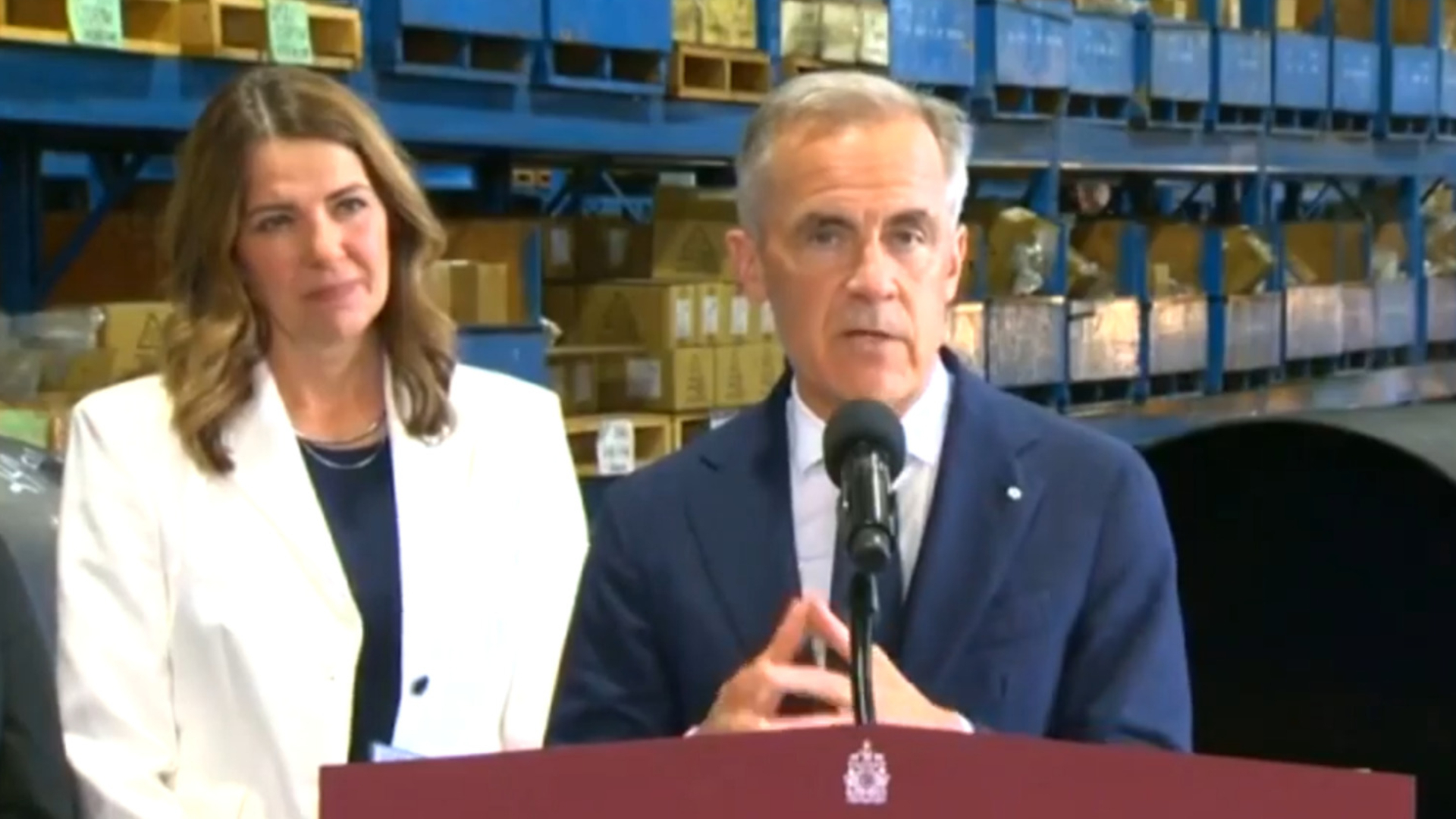
The federal and Alberta governments have moved one step closer towards building a new oil pipeline to the West Coast, and Premier Danielle Smith is making a business case for the project while appeasing opposing sentiments.
However, with less priority placed on green targets and a push for the economic agenda, there have been mixed reactions from the business community and environmental groups to an energy agreement between Alberta and Ottawa.
And the project’s timeline moving forward is tight.
Alberta plans to submit a proposal by July 1, and Ottawa is expected to prioritize it as a project of national interest by October 1.
On Corus Radio’s Your Province, Your Premier, the Premier was managing expectations.
“It will not be transporting oil in September 2027. That’s the date that we’re targeting where the first shovel can go into the ground, and it sometimes takes some years to navigate it through all of the route processes, deal with the environmental design and the route engineering,” Smith said.
“So, let’s just be clear of what we’re talking about — we’re talking to get to a point where the construction can begin.”
Those in the business community are welcoming this news, saying it will boost the province’s economy.
“So, the improvement in the economy typically in one sector pushes things in other sectors,” said University of Lethbridge economics professor Nazir Haimoun.
“People will get a job, let’s say in construction, in building a new pipeline, or the money that will be spent by the provincial government eventually through royalties, this will all trickle down in the economy.”
But environmental groups are concerned about the industrial carbon emissions price in Alberta, which was negotiated at $130 per tonne by 2040 and is well below the national price.
In a news release, the group Environmental Defence says, “the agreement confirms that PM Carney is not just gutting Alberta’s carbon pricing framework, but the national benchmark as well.”
Maimoun says there has been consistency in what the Liberal government has focused on, or rather, in its distance from previous green energy initiatives.
“The Carney government and the Liberal government at this point, since last year, they have prioritized improving the economic situation and focusing on affordability and pushing the economic agenda. Not necessarily neglecting the green targets but maybe putting a little less priority at this point,” he said.
WATCH: Carney, Smith reach carbon price deal, advance pipeline
As for the separation sentiment in Alberta and the possible referendum question in October, this may temper the tone for some, says Mount Royal political scientist Lori Williams.
“The ones who want to send a message to Ottawa, those who want to have a fairer deal within Canada, it is something I think will be received cautiously well with that group. But again, as we’re seeing in polling, there’s a lot of skepticism still amongst many, if not most, Albertans that this will actually cross the finish line,” she said.
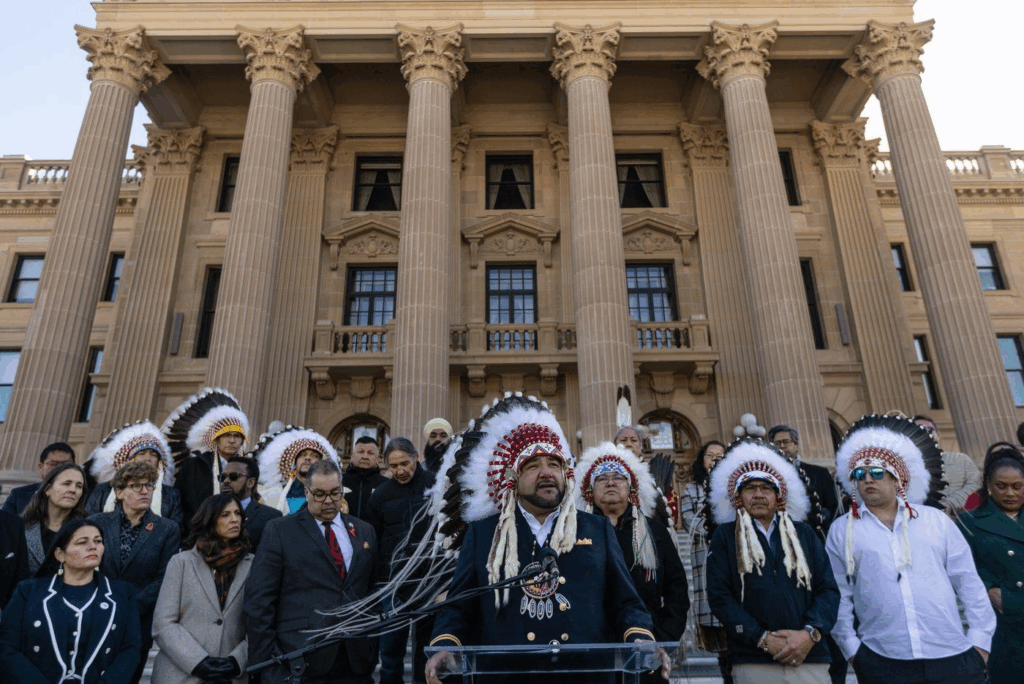
Premier Smith also said on her weekend radio show that her government plans to appeal the recent ruling by an Alberta court in favour of First Nations, quashing the petition on Alberta independence.