Alberta startup develops a headset that will detect signs of dementia early
Posted February 25, 2026 5:51 pm.
Last Updated March 4, 2026 10:02 am.
A startup that was at the University of Alberta says tech, which looks as simple as a headband, could soon detect early signs of mild cognitive impairment or dementia by playing a simple game.
The founder of the startup, which originated in Lethbridge, says 75 per cent of people with dementia globally are undetected or late to be diagnosed. 92 per cent for mild cognitive impairment. The startup wants to improve the number and reduce the progression of dementia.
“Our solution is not just detection, but we’re partnering with the right kind of organizations to have an intervention strategy and path for individuals,” said Greg McGillis, the founder and CEO of Brain Care Technologies.
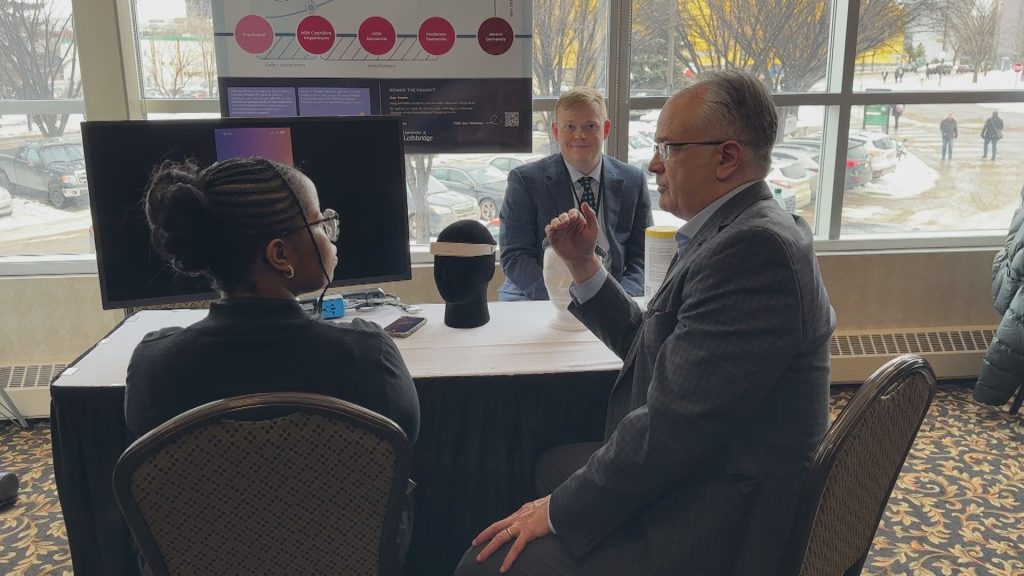
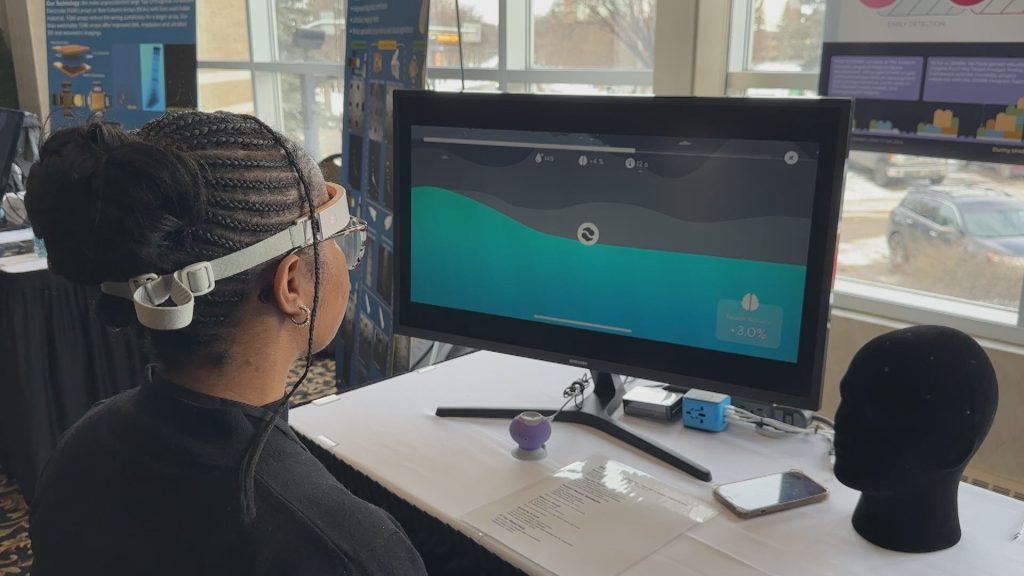
Dembot is a device by Brain Care Technologies. It uses sensors to detect brain activity and how long a person can focus. McGillis hopes his technology will be used mainly by seniors in assisted living.
“They are able to put this technology in their residence and be able to keep them in there in a lower need, lower environment, lower cost healthcare environment than going into acute care, long-term care,” said McGillis.
CityNews got a chance to try the prototype to see the result. Brain Care Technologies is one of 15 at the health tech event on Wednesday at the U of A, hosted by a non-profit that provides resources, research, and talents for startups.

Director Vivian Mushahwar says new devices that can be used at home or provide early detection could help relieve the strain of the healthcare problem.
“We already have a lot of pressure on hospital wait times in primary care, so we have all of these pressures. How about you know detecting things so much earlier, so that you can prevent these conditions from developing,” said Mushahwar.
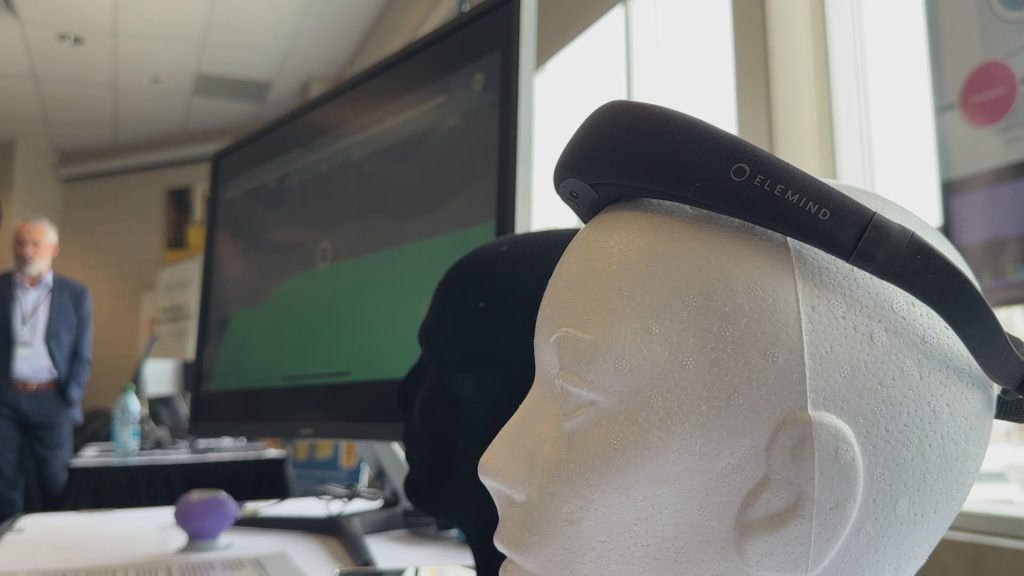
The headband is still not the final design, and it will look like a headset. McGillis is hoping it is on the market by late 2027.
Editor’s note: Headband uses existing technology for illustrative purposes with Brain Care Technologies developing its own.