‘Bring it on’: Venezuelan oil hitting U.S. markets reason more for Alberta to explore new trading partners, engineer says
Posted January 6, 2026 2:28 pm.
Last Updated January 6, 2026 5:39 pm.
A Venezuelan-born engineer now working in the oil and gas industry out of Edmonton does not believe the removal of Nicolás Maduro will ultimately harm Alberta oil.
Jorge Robles, who worked in Venezuela for more than a decade, moved to Alberta seeking safety and a better life.
The oil and gas engineer believes there is room in the global market for Venezuelan and Canadian oil.
“As a democratic society here and a free society in Canada, we should cherish the opportunity that a country like Venezuela can get back on its feet,” Robles said. “And if it produces more oil, so be it. Bring it on, brother. We are here also, we have our oil, we have our resources, we have our technologies. I’m saying ‘our’ because I’m Canadian now.”
Robles believes a rebooted oil and gas industry in his birth country is vital for Venezuelans who are suffering. He insists the removal of Maduro by U.S. forces last weekend was a necessary move.
“People there, my friends and family, live in fear,” he explained. “They live in fear because you can be sent to jail just because of a tweet or something that you have in your phone.
“Other countries were doing nothing. So when a country like the United States decides to take the military action that they did, I say thank you.”
U.S. President Donald Trump has floated a plan for U.S. oil companies to help rebuild Venezuela’s oil industry, making it clear he wants to extract trillions of dollars worth of energy from the South American country.
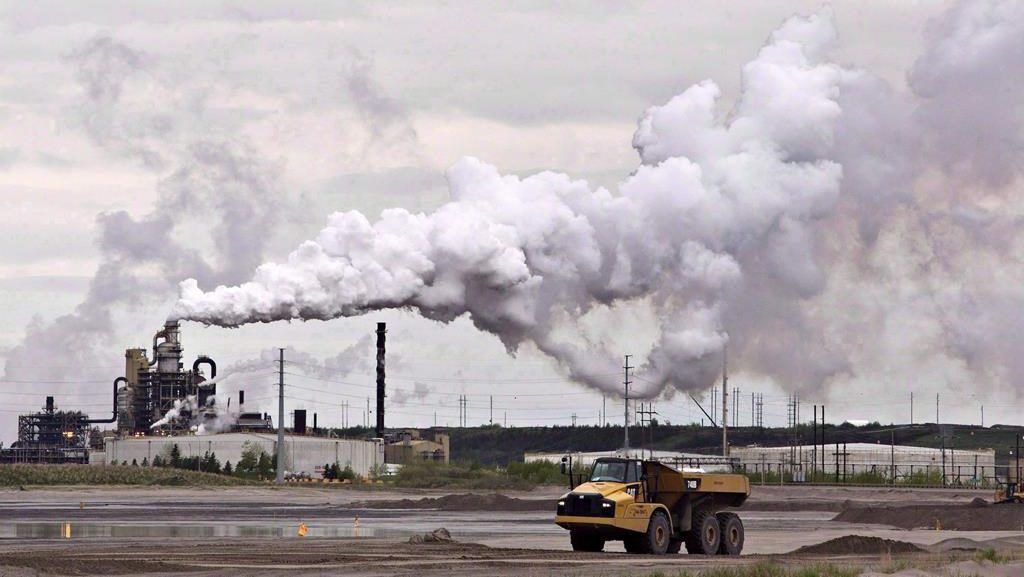
Much of it is similar to the heavy crude that Alberta currently exports to American refineries.
Some say Maduro’s removal could represent a long-term threat to Alberta’s oil patch and provincial coffers.
Others, like Robles and Canadian Prime Minister Mark Carney, believe the threat to the province’s oil producers is exaggerated.
“We welcome the prospect of greater prosperity in Venezuela, but we also see the competitiveness of Canadian oil and we’re investing, or we’re putting in place measures, so that that’s going to happen,” Carney said while meeting with other world leaders in Paris on Tuesday.
“And in that context, a pipeline and exports to Asia, we’ve got competitive product, and we’d be diversifying our markets, and that’s one of the reasons why we signed the comprehensive MOU with Alberta. So we’d be working toward that.”
Robles says he would support a pipeline to eastern Canada as well.
“If you don’t have a pipeline to transport oil from Alberta to Ottawa, Ontario, etc., then you have to buy oil from other countries,” the Venezuelan Canadian said. “And do your homework on what is happening in those other countries regarding human rights and environmental stuff.”
‘Need new markets,’ says Poilievre
Federal Conservative Leader Pierre Poilievre released a letter Tuesday saying the race is now on, with Venezuela threatening to reclaim market share in the U.S.
He warned Venezuela’s heavy crude production “could rapidly rebound to historic levels,” putting it in direct competition with Canada for space in American refineries that specialize in heavy crude.
“Every barrel the United States sources from Venezuela could mean one less barrel these refineries would buy from Canada. We therefore need new markets to sell to, and we need them quickly,” he wrote.
Poilievre is demanding Carney approve a new West Coast pipeline within 60 days of receiving Alberta’s application.
Alberta is expected to formally apply for that new pipeline to B.C. early this year, with the goal of reaching markets in Asia.
In November, Alberta Premier Danielle Smith signed an agreement with Carney, paving the way to a potential Indigenous co-owned bitumen pipeline and to claw back environmental policies standing in the way, including the B.C. tanker ban.
The deal aims for Alberta and Ottawa to agree on an industrial carbon price by April 1 and sets a July 1 deadline for a pipeline proposal to Ottawa’s Major Projects Office.
Smith said her government is continuing its work to submit that application and expects the federal government to move forward “with urgency.”
Venezuela has the world’s largest proven crude oil reserves of approximately 303 billion barrels, according to the U.S. Energy Information Administration — roughly 17 per cent of all global oil reserves.
Venezuela’s oil industry is in disrepair after years of neglect and international sanctions. Analysts say it could take years and major investments to dramatically increase production — but some believe the country could double or triple its current output of about 1.1 million barrels a day fairly quickly.
–With files from The Canadian Press