‘It’s an eyesore’: Edmonton to tax derelict commercial property owners at higher rate
Posted September 9, 2026 9:07 am.
Owners of commercial properties that are abandoned or rundown could take a financial hit from the city.
Edmonton city council passed a new law Tuesday to tax those property owners, in the hopes of pushing them to make their properties safer and better for the community.
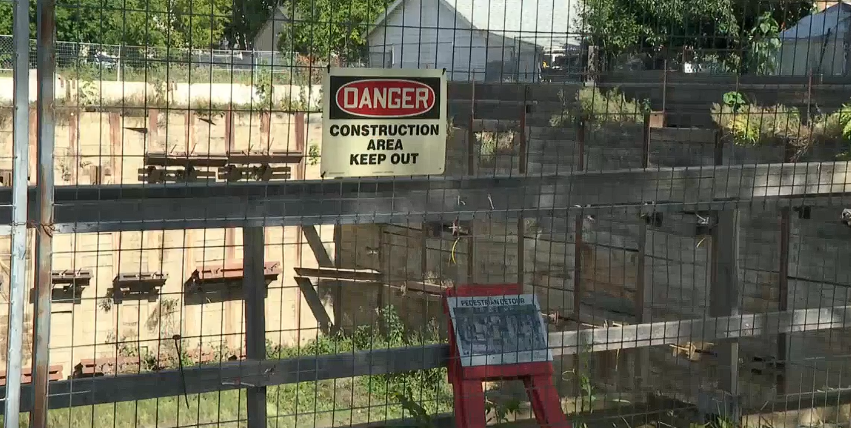
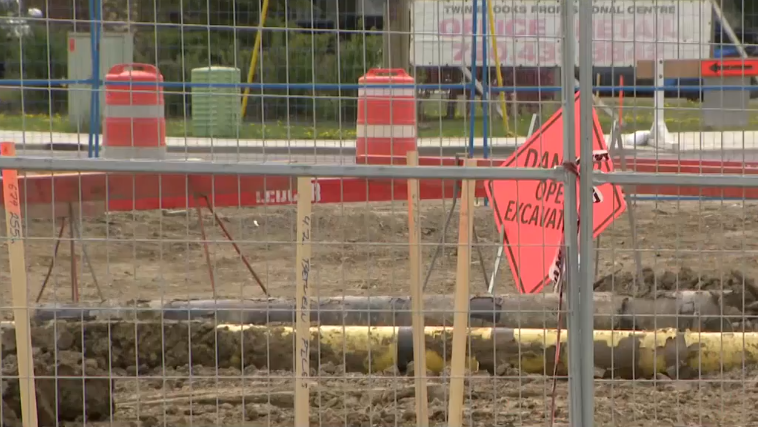
One example: the site of the former Bank of Montreal along 102 Avenue. The pit south of City Centre Mall, a prime downtown location, has sat vacant for years. Owned by Regency Developments, the lot was recently put up for sale.
“I mean, it’s an eyesore,” said Edmontonian Victoria Lambtey. “This is the city. Smack right in the middle of the city.”
Edmontonians say they would like to see something built that benefits the community. Several people told CityNews they are supportive of higher taxes for abandoned properties.
“They should tax them for wasting such a big plot of land, and not doing anything for months, maybe even years,” said Kyelar Chae. “I find this infuriating when this is all closed out.”
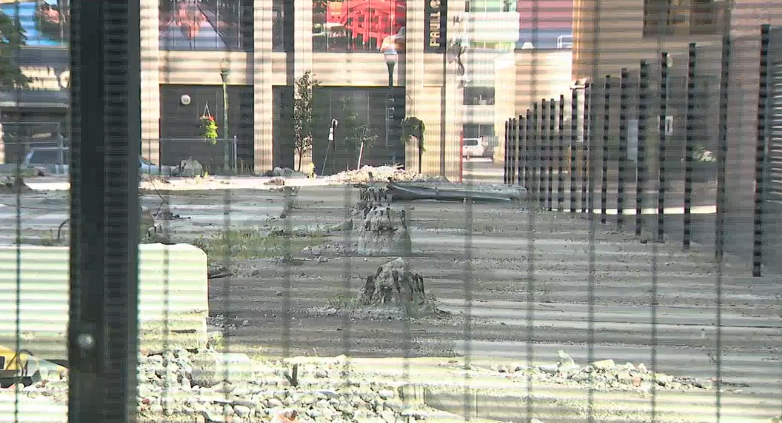
Pits have become so prevalent in Edmonton that a website and Instagram account were recently created to highlight the problem.
“Edmonton Pit Tour” lists 61 spots across the city, some nearly 20 years old, sitting vacant. Some are mid-construction or mid-demolition.
Edmonton’s mayor says the new bylaw could help with this issue.
“If that pit has been there for one or two years, we’ll be able to impose a penalty to either force you to sell the land to somebody who’s gonna do something with it, or get to work on the site because those aren’t contributing to the community,” said Mayor Andrew Knack.
The city is still ironing out the details of what exactly qualifies as a derelict commercial property. Some examples are that they’re deserted or abandoned, partially or fully boarded up or secured, or if they’re abandoned during construction or demolition.
The bylaw targets commercial properties more broadly. It could cost about $1 million to update the city’s tax software and bring in about $400,000 a year.
Councillor Ashley Salvador says some properties in her ward are hazardous, like an abandoned building beside The Aviary music venue on 111 Avenue that caught fire in January.
“You feel less safe if these properties are vacant, underutilized, and creating risk in your neighbourhood,” said Salvador, the councillor for Ward Métis. “So, adding this additional tool of a tax sub-class I think is a really important step.”

Also Tuesday, city council voted to expand the ability to classify residential properties across the entire city as derelict instead of only inside the city’s core.
And residential problem properties can be charged three times the regular rate. The increase for derelict commercial properties isn’t as high, but details are still being ironed out.
–With files from Lauren Boothby