Experts raise concerns about trusting AI with your financial data
Posted June 10, 2026 6:22 pm.
Last Updated June 10, 2026 6:55 pm.
Would you trust an AI chatbot to make decisions about your money? With new features being offered to link to your bank account, one expert is warning about the dangers.
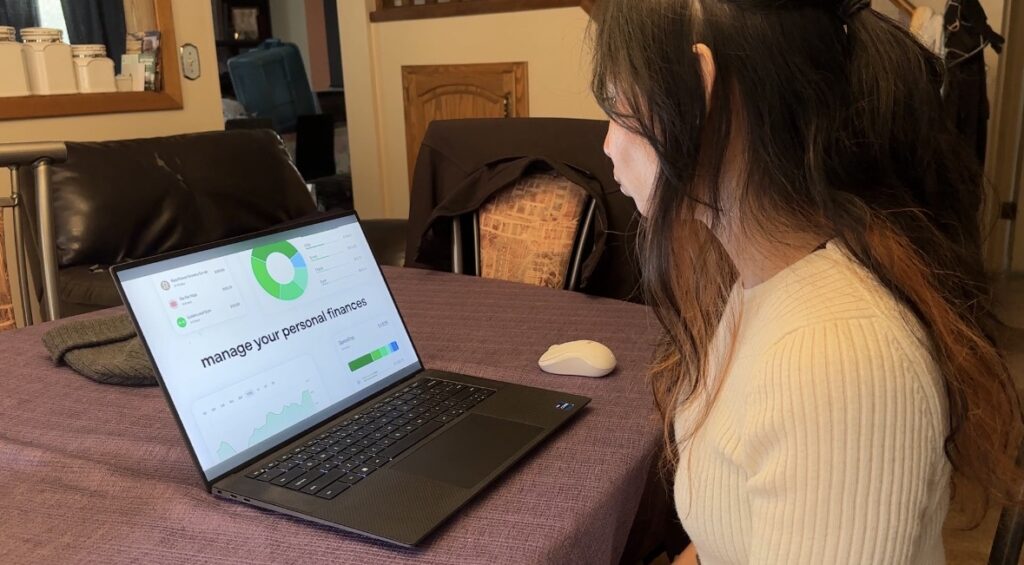
For Albertans like Alyssa Conti, finances are always top of mind. The web writer graduated from college two years ago, and now she’s looking to pay off student loans along with everyday expenses.
“I also have like phone bills and all of that, and I just recently bought a car,” said Conti.
But finding the right financial advice feels like an impossible task. But what if instead of making an appointment at the bank, she could just turn to artificial intelligence?
ChatGPT recently opened up a feature in the United States, where pro users can connect their bank accounts and investment apps to the chatbot to get financial advice.
“I might actually use that because I just want to save myself the mental energy of sitting down and doing all of this by myself,” said Conti.

CityNews spoke with an expert in AI, who says the feature can help people looking for a financial summary, helping with spreadsheets or asking for advice on subscriptions you could cut from your budget, all saving time and energy.
ChatGPT’s parent company OpenAI says the feature is secure, but a professor at the U of A warns to take it with a grain of salt, with potential privacy failures.
“It can provide high value if you can trust it. And more importantly, trust it well enough to be able to observe what could possibly go wrong and correct it,” said Randy Goebel, a computer science professor at the University of Alberta.
Goebel describes the growth of AI like the wild west, and inputting your private data in new software could open up to risks of data breaches or incorrect AI hallucinations impacting advice.
“You’re not just talking to an advisor at your local bank. You’re talking to an advisor who’s talking to another advisor who’s talking to another advisor. So many more points of failure,” said Goebel.
It’s a similar concern for those in the financial industry: with no regulations, who will be held accountable for errors?
“The financial planner has the duty to act in your best interest. A chatbot doesn’t have that, so if it gives you bad advice, then there’s nothing you can do about it,” said Max Varela Arevalo, an associate chair at Nait Jr. Shaw School of Business.
But for Conti, that risk is worth it for convenience.
“So much of our lives are already being tracked that at this point it’s whatever if you can use that data to benefit me as well. Who am I to say no?” asked Conti.