Edmonton professor suggests better material and data to prevent potholes
Posted April 21, 2026 5:10 pm.
Last Updated April 21, 2026 9:12 pm.
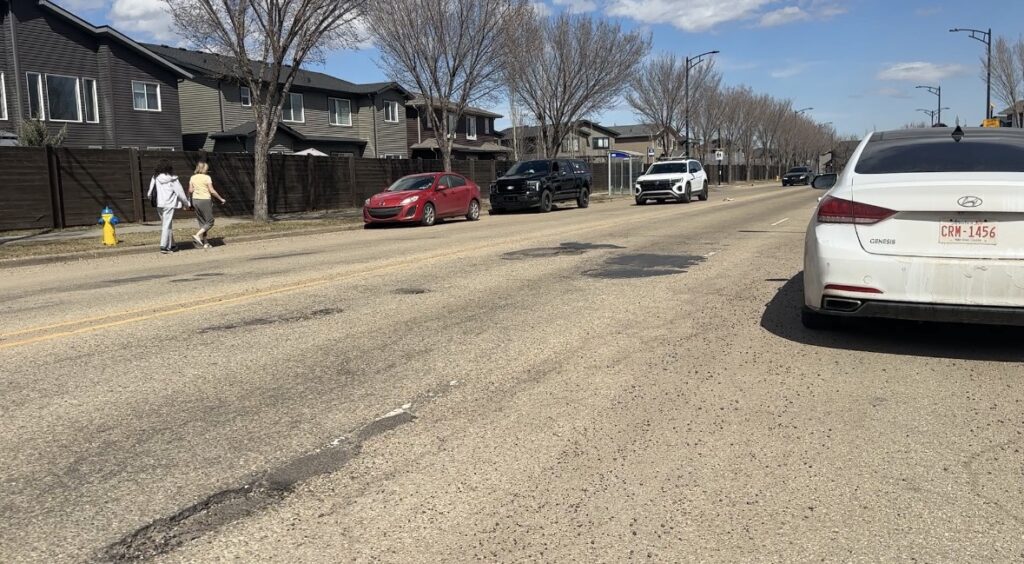
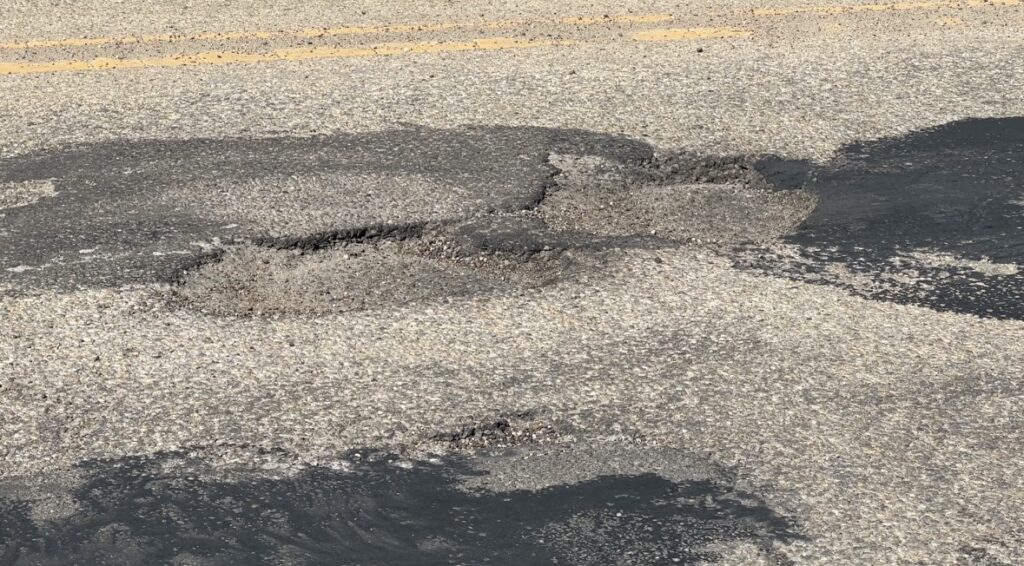
It’s a sure sign of spring in Edmonton: green grass is beginning to show, birds are flying, and potholes are appearing.
Already this year, the City has filled more than 48,000 potholes, but drivers know, there are still lots more to repair.
“Downtown. They’re all along here, and in my neighborhood, so it’s like they’re really hard to avoid. Especially when there’s so much traffic,” said Presley Boutin, an Edmontonian.
Michael Steinberg, another Edmontonian, said, “I’m a bit disappointed in the city. They spent too much on the LRT and not enough on the streets because there’s holes are sitting sometimes. I think I could bury my dog there, you know.”
The City responded to more than 650,000 potholes last year, compared to Calgary’s 35,000. One of the reasons is the freeze-thaw cycle.
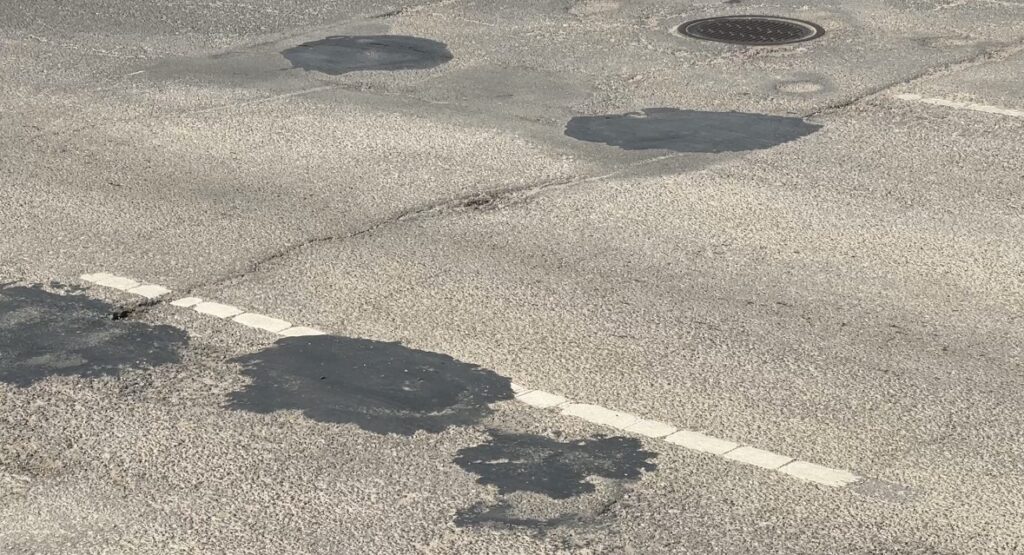
“Yeah, I had to get realignment done, so not ideal, but I guess that’s what happens when you live in a winter thaw cycle right?” said Ian, an Edmontonian.
But one engineering professor says using different materials when building or renewing roads can ensure potholes don’t get out of hand.
“We can change – make changes to the polymers that we are using in the asphalt. There are self-healing materials that are coming. There are newer materials that are popping up, but is that the only way to fix the pothole problem? I don’t think so,” said Ali Bayat, an engineering professor at the University of Alberta.
Bayat added that data collection should also be improved in terms of location and material used.
“If we’re getting this many potholes year over year, we need more information to understand what is the root cause of the problem, and that’s going to allow us to come up with a solution,” said Bayat.
But Edmonton’s mayor says they already have a partnership with the university to test road maintenance and collect data.
“Essentially, the challenge the City of Edmonton faces compared to most cities is that any materials that we use to repair potholes need to withstand what is essentially a 70° temperature swing, you know, down to about -30, 35 up to plus 30, give or take,” said Mayor Andrew Knack.
But for now, some drivers say it is a mutual responsibility between the City and drivers.
“The city has to make sure that they fix the serious ones that they’re aware of, but it’s also the driver’s responsibility to be careful. Avoid them, and if there’s anything significant that they reported to 311,” said one Edmontonian CityNews spoke to.
Bayat says using modified materials and improving data collection will reduce potholes by half, nearly 200,000 to 300,000, just like in Toronto and Ottawa.