Feds announce multi-billion-dollar energy deal with B.C., retain northern tanker ban
Posted July 2, 2026 11:27 am.
Last Updated July 2, 2026 12:51 pm.
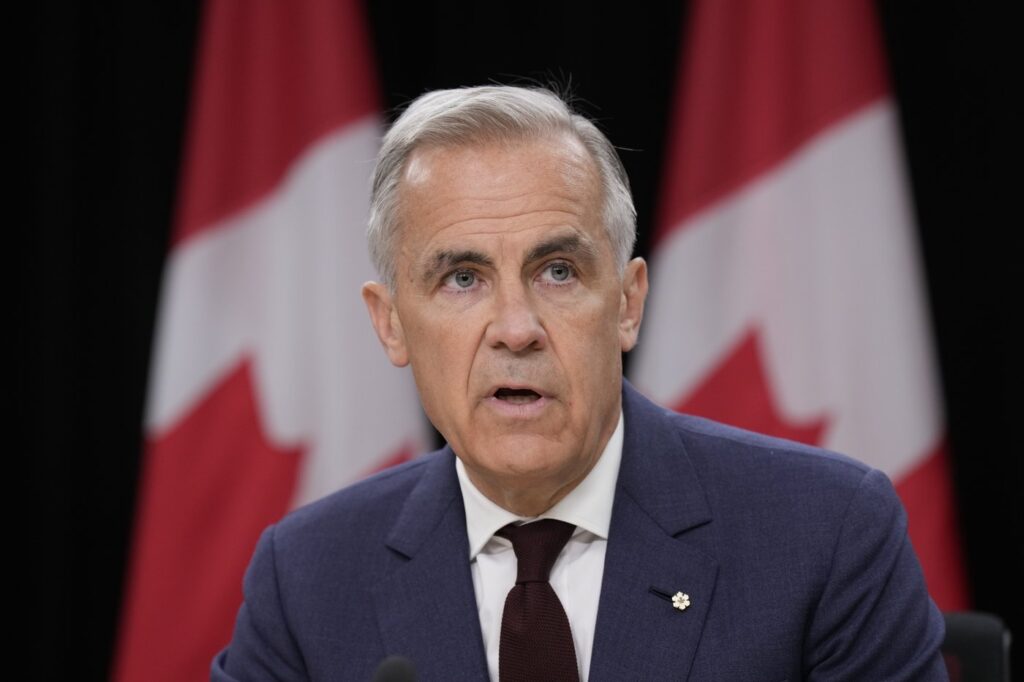
Prime Minister Mark Carney has announced a memorandum of understanding (MOU) with British Columbia, which he says will help unlock $150 billion in new investment, with B.C. as the “linchpin.”
As well, he says, the ban on northern oil tankers will be maintained.
He unveiled the deal in Vancouver Thursday, saying this will benefit the entire country’s economy and will help fund services Canadians rely on.
The province and the feds will work together to focus on Canada’s potential to become a global energy superpower, Carney says, beginning with liquefied natural gas (LNG).
“By 2040, global LNG demand is expected to rise by 60 per cent, particularly to replace high-emission coal generation in Asia and to balance grids that are increasingly going to be powered by renewables,” he said.
“The federal government will work with private sector proponents, communities, and First Nations to accelerate the permitting, the financing, and the construction of major LNG projects in B.C.”
The federal government says these projects include:
- LNG Canada Phase 2, Ksi Lisims LNG, Cedar LNG, and Woodfibre LNG;
- Red Chris Mine Expansion; and
- North Coast Transmission Line.
As well, it says, it will work with the province to build trade infrastructure to help ship Canadian energy to new markets. This will include:
- Investments in upgrades to the Port of Vancouver-Roberts Bank trade corridor;
- George Massey Tunnel Replacement Project; and
- Investments in the Port of Prince Rupert and the Port of Stewart.
Carney says the government’s $500 million investment in the Red Chris Mine will boost national copper production by more than 15 per cent.
B.C. Premier David Eby says the agreement is about building the province’s future for generations to come.
“It means more good jobs for workers and more opportunities to train for better pay, all while protecting the beautiful places that make our province so remarkable,” said Eby.
“This deal will deliver faster commutes as we build critical infrastructure, less pollution as we power growth with clean electricity, and the kind of shared prosperity that funds strong public services.”
Northern oil tanker ban to remain in place
The MOU maintains the northern oil tanker ban in B.C.
The province will be compensated for environmental risks if Ottawa imposes an oil pipeline on B.C., according to the deal.
Carney also says they will build inclusively and in true partnership with First Nations.
Coastal First Nations president Marilyn Slett says she applauds the MOU’s commitment to upholding the ban.
“Today is a good day,” she said.
“British Columbians, Canadians, and the First Nations who call this place home want this region to remain protected. There is no technology that can clean up an oil spill at sea, and a single oil spill could destroy our way of life.”
Slett says it’s important to remember that the tanker ban is the result of more than half a century of advocacy by First Nations around northern B.C., as well as governments of “all political stripes.”
“Protecting the North Coast means protecting thousands of jobs, hundreds of businesses, and billions in economic value we have built up over several decades.”
The province says the agreement supports B.C.’s Look West jobs and economic growth plan, which includes $88 billion in major project proposals reaching final investment decision over three years.
The prime minister is scheduled to head to Alberta later today for a news conference with Premier Danielle Smith, where they’ll be making an announcement about plans for a pipeline to B.C.’s coast that Eby has long criticized.
— With files from The Canadian Press