Alberta minimum wage remains lowest while B.C. raises it to $18.25

Posted March 27, 2026 5:27 pm.
Last Updated March 28, 2026 9:42 am.
Alberta still sits at the bottom of the barrel when it comes to minimum wage rate.
The gap with other provinces will soon widen as British Columbia announces a minimum wage hike.
Edmontonians hope they will soon get a raise too.
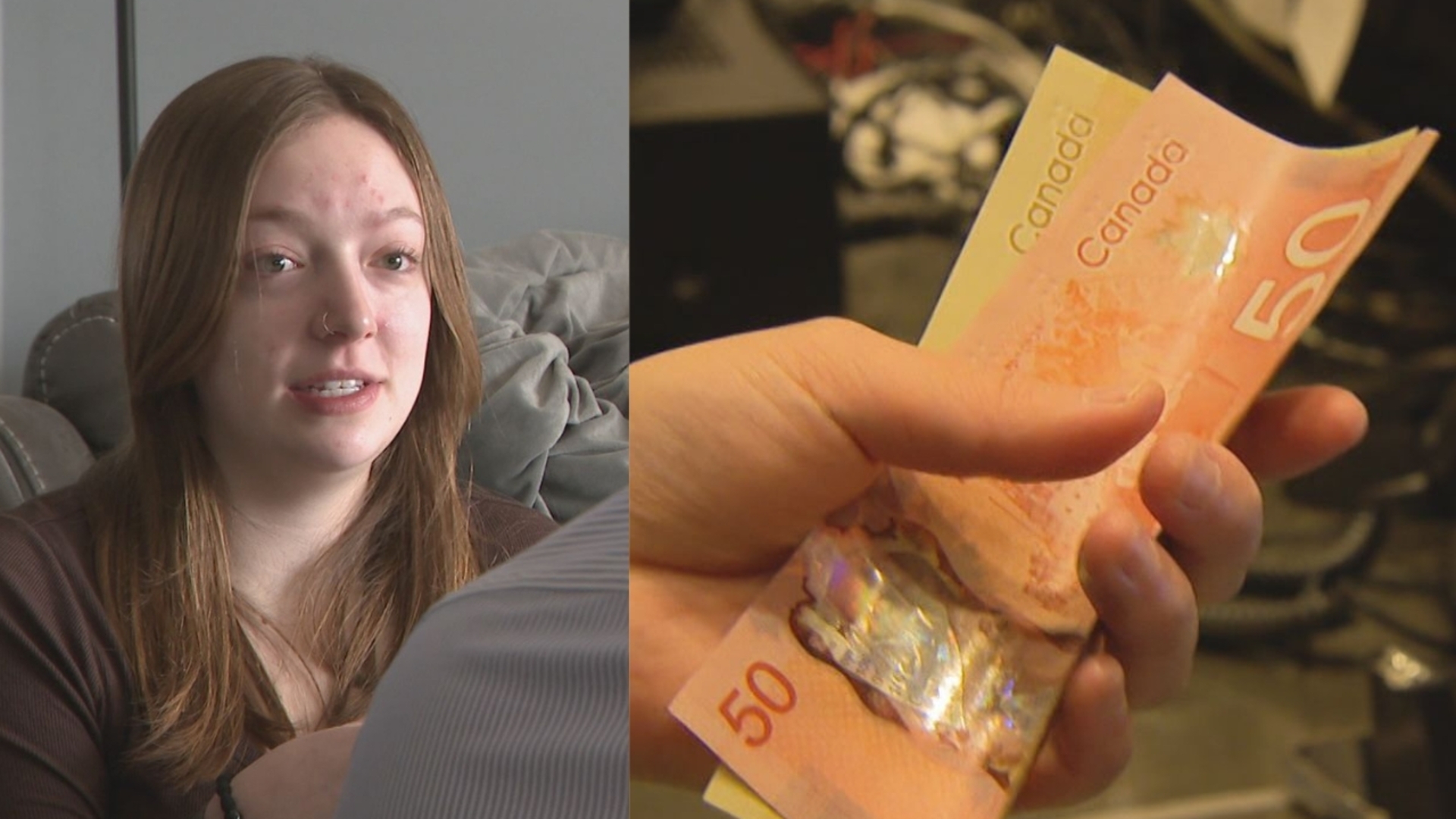
Presley Pearson has worked at Old Spaghetti Factory casual restaurant for three years, getting the same $15 an hour wage.
Pearson says, despite all her hard work she has to rely on three jobs to make ends meet.
“If I didn’t have my parents letting me stay at home, or if I didn’t have my parents paying for schooling, I would be in a much worse situation and let alone having three jobs is just enough to pay for my car, gas,” Pearson says.
On June 1st, B.C. residents will see the minimum wage go up from $17.85 to $18.25 to keep pace with inflation. It has been increasing every year since 2015.
Joseph Marchand, economics professor at University of Alberta, says Alberta had a formula in place for yearly increases, but that the Alberta NDP government scrapped it in 2015.
“In 2015 (the formula) was a half increase in earnings and a half increase in prices,” Marchand said. “I thought that was good because, especially back then, price is increasing wasn’t a thing.”
Fast forward 10 years, Alberta’s NDP called for an increase $3 in wages in the next three years to keep pace with the inflation. But the proposal was defeated by UCP.
“(Wage) should be linked to inflation to help out Albertans, the most vulnerable Albertans and those who are earning the least, to be able to keep up with the rising cost of living,” says Court Ellingson, Alberta NDP shadow finance minister.
The UCP government argues that the province remains one of the most affordable places, with lower taxes.
“About 95 per cent of workers in Alberta earn more than minimum wage, of which the average amount is the highest in the country,” Minister Joseph Schow says. “With this in mind, the NDP’s call for a higher minimum wage is ineffective at addressing affordability, especially when it comes to an already competitive job market for youth.”
Marchand says he thinks that an increase is inevitable.
“Once Alberta was the first mover on 15, they all kind of raced and converged to 15. Now we’re past that, so I would think that in the near future, probably prior to 2030, we will have this kind of convergence to 20.”
Pearson, who just graduated high school, also hopes to see an increase in minimum wage soon.
“I feel like a minimum wage should be able to support yourself in like a way where you can get all your basic living necessities, like transport, living food at like the absolute minimum,” Pearson says.