Edmonton mom opens up about stigma following daughter’s overdose death

Posted July 8, 2023 1:02 pm.
Last Updated July 9, 2023 10:55 am.
It’s hard for Angela Welz to talk about the decision to donate her daughter’s organs.
The Edmonton mom lost her daughter Zoe to an overdose in 2016.
“She was vivacious, funny, smart,” said Welz.
“She was 18, fairly healthy, other than the fact that she was using drugs.”
Welz says the death came with a societal stigma that made the loss so much harder, and made the decision around organ donation more difficult.
“We didn’t have a chance to wrap our head around the fact that Zoe was gone, and she was basically being kept alive essentially for her organs,” she said.
“The grief that we feel is so complex because of the stigmatization. People don’t understand a loss to substance use.”
Welz is a member of Moms Stop the Harm – an advocacy group for parents who have lost children to overdose – and runs a peer support group.

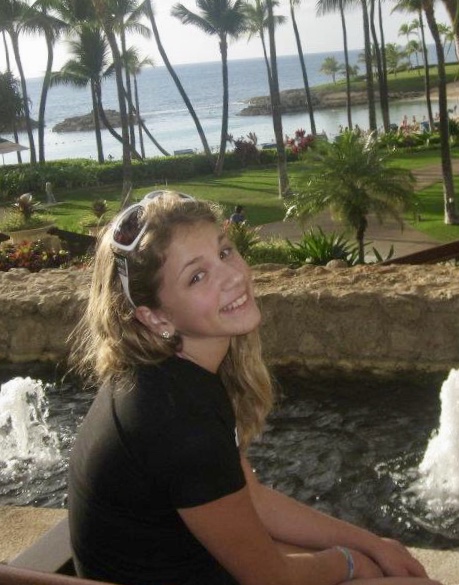
Zoe Welz, who died of a drug overdose in Alberta in 2016. (Submitted by: Angela Welz)
Numbers show, over the past decade, Zoe’s parents were not alone in facing that difficult decision to donate organs after a drug-related death. In Alberta last year, about one-in-three donors died of an overdose.
While there was a dip in the overall percentage between 2017 and 2019, the data from Alberta Health Services shows that since 2020, the proportion of donors who died of overdose has consistently been over 30 per cent.
The total number of number of donors – all causes of deaths combined – went up 40 per cent from 2021 to 2022 (from 69 to 97). In a statement to CityNews, AHS spokesperson Kerry Williamson says “this is due in large part to improvements AHS has implemented in the identification and referral of potential organ/tissue donors.”
Williamson says the families of patients are given the same care and supports regardless of the cause of death, adding organ donation “saves lives and significantly improves the quality of life for many Albertans.”

Alberta organ donors from 2013-2022 graph using data from Alberta Health Services. (CityNews)
Studies show there is no increase risk to recipients when a donor dies of a drug poisoning.
Zoe’s heart, lungs, pancreas, kidneys and liver were all donated – to four different people. Welz notes organ donation is difficult to speak about.
“It’s bad enough you have lost your child, but then the fact you have to think about how your terrible tragic loss is also a really wonderful experience for those people who need those organs. It’s really hard to balance the two.”
RELATED:
- 613 drug poisoning deaths in Alberta in April
- Alberta has highest drug poisonings in month, recovery experts worry for province’s model
Those conflicting emotions are exacerbated in the lead-up to Zoe’s birthday next week, her mom says.
“It all comes back to the surface,” said Welz. “Because we should be celebrating her 25th birthday, and there are four people out there celebrating that day with their lives. It’s very difficult. And it’s really complex.”
Welz says her daughter turned to drugs after her father’s terminal cancer diagnosis and the recent loss of her grandmother.
“I think because of what she was going through emotionally, knowing that her dad was going to die, she liked the way that drugs made her feel.
“She was the baby of our family and we just doted on her. A couple of things happened when she was 14 and 15 that really traumatized her.”


Welz also says stigma in talking about drug use, toxic street drugs and harm reduction – as well as a lack of harm reduction supports among youth – played a role in Zoe resisting help; those with her daughter the night of the overdose didn’t call 911 until it was too late, fearing they would get in trouble.
“We have harm reduction in every other aspects of our lives,” said Welz. “Seatbelts are harm reduction, sunscreen. We need harm reduction for this as well, in order to keep those people safe.”
After Alberta saw a record number of overdose deaths last month, Welz hopes sharing her daughter’s story will help reduce the stigma.
“There are families behind these losses. And families who experience tremendous pain from losing a loved one to a preventable death,” she said.
“We need harm reduction and recovery… we need to stop arguing about one or the other, you need both.”