Alberta faces possible epidural catheter shortage, doctors looking for alternatives
Posted July 23, 2022 2:50 pm.
Last Updated July 23, 2022 2:54 pm.
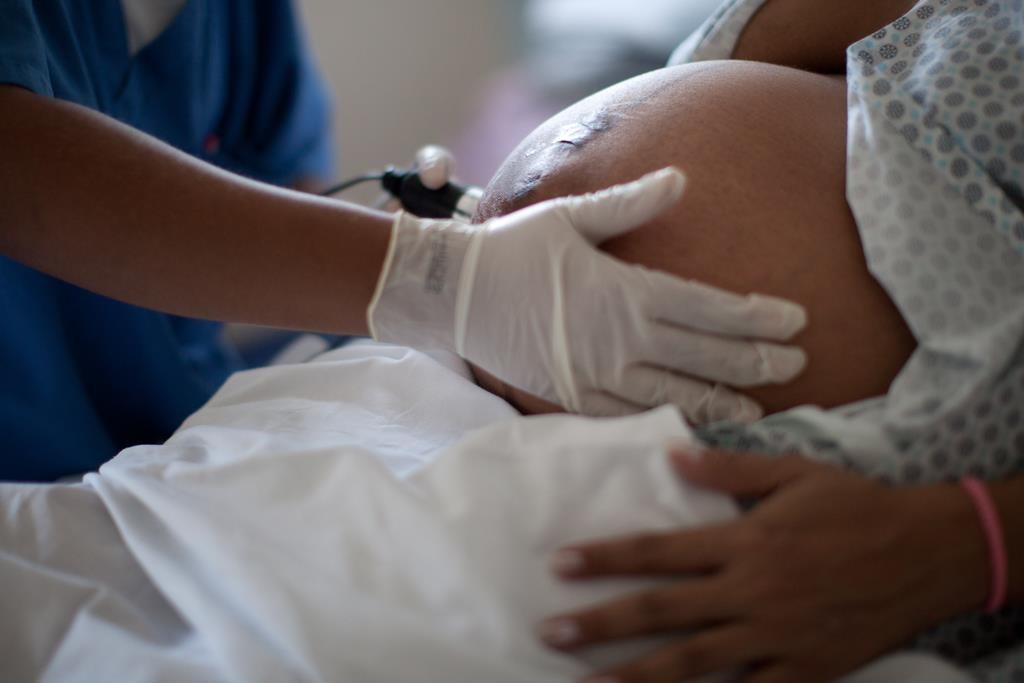
Alberta is facing a possible epidural shortage, concerning some would-be parents and doctors.
Alberta Health Services (AHS) raised the issue on Thursday, blaming supply chain issues for a shortage of epidural catheters and tubing, which are used to help alleviate pain during child birth.
The health authority adds it’s looking for alternatives.
One Calgary woman, Annie Santos, says the thought of having a baby without that pain management is frightening.
“This is my first birth and going into it we were maybe hoping to go unmedicated but not having the option of having an epidural available at all would be traumatizing I would say,” said Santos.
“Not even having that option or having it taken away is kind of confusing,” she added.
Dr. Dolores McKeen, head of the Canadian Anesthesiologist Society, says the organization is monitoring the situation.
“So anesthesiologists were very much caught off guard by this. We’ve been experiencing some shortages of equipment over the last four to six months in keeping with the regular global supply chain for medical devices,” said McKeen.
“And our usual kits and our usual products have been substituted but we were certainly able to access [the] product.”
Read More:
-
‘Unacceptable’: Airdrie’s mayor says urgent care centre closure a step backward
-
Airdrie urgent care closures due to physician shortage
-
Alberta 911 call centres understaffed; operators ‘hanging up’ on people
McKeen says she’s also heard of resupply issues in other provinces, including B.C., Manitoba, Saskatchewan, and Ontario.
“And in some cases we are hearing two to three days,” she said.
McKeen says Health Canada informs them when a shortage is going to happen.
She adds there’s a mandatory reporting requirement from Health Canada when manufacturers are unable to supply their usual contracts or normal product. She says 30 days notice is required.
“When some of the manufacturers were contacted they did indeed say there were production issues. I think they felt they were going to have them up and running in 30 days,” she explained.
“I suspect that this is a part of the global supply chain shortage we’re seeing around COVID.”
Mckeen says while epidurals are a standard in pain management for labour, she notes they also can help to avoid general anesthesia.
“It’s always safer for moms and safer for babies if they don’t have to go to sleep. And it’s also a better experience — they can stay awake and their partners can participate in the surgery if they have to go to caesarian delivery,” said McKeen.
Meanwhile, the Alberta NDP is calling on the UCP government to address the shortage.
Alberta Health Services says it has at least two weeks’ worth of supply.