Dutch elm disease confirmed in Calder neighbourhood, pruning ban to be lifted
Posted September 29, 2026 2:35 pm.
The City of Edmonton has confirmed another case of Dutch elm disease (DED) within the city.
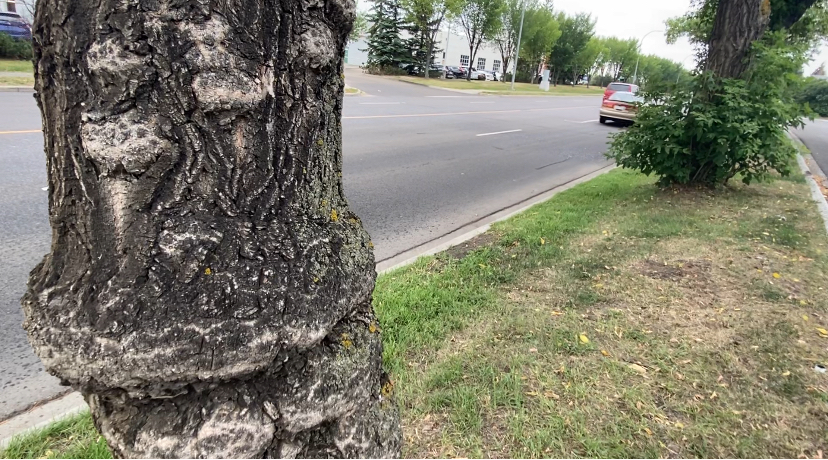
Reports indicate that an elm tree in the Calder neighbourhood has tested positive, marking the 18th case since being discovered in Edmonton in 2024.
The tree in question was reportedly in decline and was identified by crews through a visual inspection; test results were later able to confirm the disease. As an ongoing effort to contain the spread of the disease, the tree is being removed.
Additionally, the DED protocol zone has been expanded to include a one-kilometre radius around the tree’s location, which will allow crews to increase monitoring, assessments and tree maintenance in those areas.
Dutch elm disease is a threat to Edmonton’s urban forest, as elm trees make up 22 per cent of open space and boulevard trees.
The City of Edmonton says that the provincial ban on pruning will be lifted on Oct. 1.
Proper tree removal and pruning of deadwood is key to reducing habitats for the beetles that spread the fungus. Pruned elm wood can be disposed of at the Edmonton Waste Management Centre for free, or burned immediately.
Additionally, residents are advised not to transport firewood, as it’s a way for beetles to spread the disease, while also being advised to not combine elm wood with food scraps or other collected waste.
Signs of DED include leaves wilting, drooping, and curling ahead of schedule on one or more branches, with it being noted that leaves usually turn brown and stay on the tree. Later in the summer, leaves will change and drop before the normal season colour change. Lastly, peeling back the bark on infected twigs reveals brown staining in the sapwood.
More information regarding Dutch elm disease can be found on the City of Edmonton website.